English
- English
- Español
- Português
- русский
- Français
- 日本語
- Deutsch
- tiếng Việt
- Italiano
- Nederlands
- ภาษาไทย
- Polski
- 한국어
- Svenska
- magyar
- Malay
- বাংলা ভাষার
- Dansk
- Suomi
- हिन्दी
- Pilipino
- Türkçe
- Gaeilge
- العربية
- Indonesia
- Norsk
- تمل
- český
- ελληνικά
- український
- Javanese
- فارسی
- தமிழ்
- తెలుగు
- नेपाली
- Burmese
- български
- ລາວ
- Latine
- Қазақша
- Euskal
- Azərbaycan
- Slovenský jazyk
- Македонски
- Lietuvos
- Eesti Keel
- Română
- Slovenski
- मराठी
- Srpski језик

Can an Integrated Case Making Machine Improve Cover Production Efficiency?
In premium packaging and bookbinding production, manufacturers are constantly looking for ways to improve efficiency, reduce manual handling, and maintain consistent product quality. Traditional cover production often requires multiple machines and repeated transfers between different processing stages, especially when additional components such as metal plates or inner lining need to be applied.
With the development of integrated automation technology, a new generation of integrated case making machines is changing the way manufacturers approach cover production by combining multiple processes into one streamlined workflow.
From Multiple Production Steps to an Integrated Workflow
Traditional case making production usually involves several independent operations. After the cover is formed, semi-finished products may need to be transferred to another machine for additional processes such as metal plate attachment, inner lining application, or further pressing.
Although this production method is widely used, it also creates several challenges:
· Additional material handling between machines
· More production space requirements
· Higher labor involvement
· Increased possibility of positioning errors
For manufacturers producing premium packaging boxes, notebooks, folders, and hardcover products, reducing unnecessary transfers has become an important way to improve production efficiency.
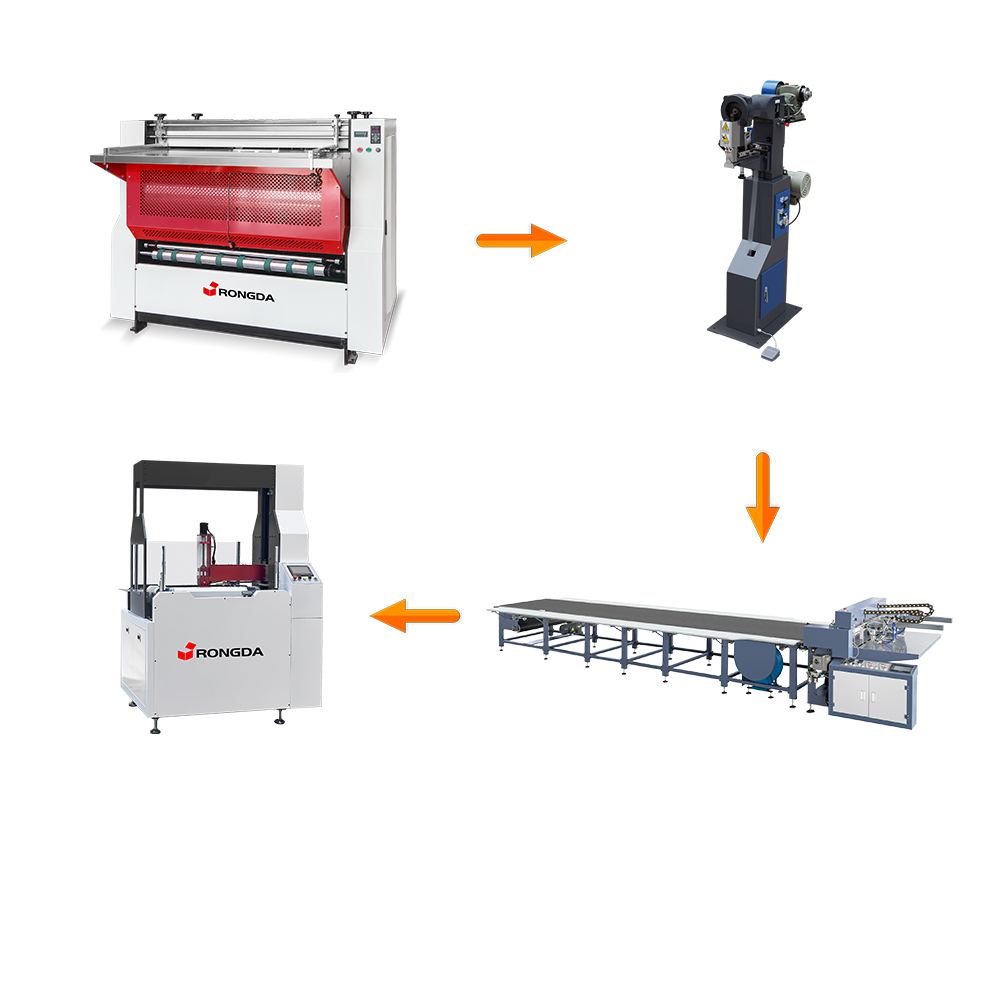
An integrated case making machine provides a more efficient solution by combining cover forming with optional additional functions, allowing multiple processes to be completed within the same production line.
How Does an Integrated Case Making Machine Work?
The working process of an integrated system is designed to improve coordination between different production stages.
1. Automatic Material Feeding and Gluing
The machine automatically feeds the wrapping paper and applies adhesive evenly, ensuring stable bonding quality and reducing manual preparation time.
2. Accurate Cardboard Positioning
With precise positioning technology, cardboard is placed accurately on the glued paper, helping maintain consistent cover dimensions and appearance.
3. Edge Folding and Cover Forming
The machine completes the folding and wrapping process to create a clean and professional cover structure.
4. Additional Component Application
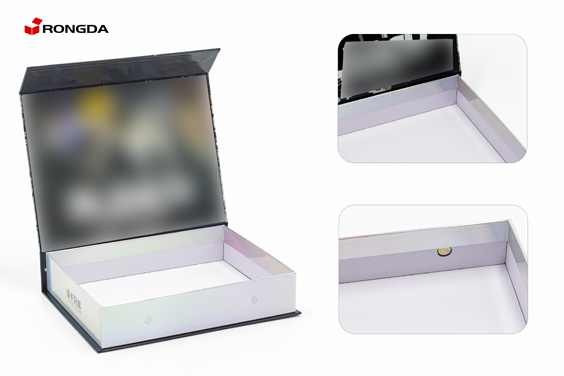
Depending on the machine configuration, functions such as metal plate attachment, magnet placement, or inner lining application can be integrated into the production process.
This integrated approach helps manufacturers reduce intermediate handling and achieve smoother production flow.
Why Choose an Integrated Case Making Solution?
Reduced Production Space Requirements
Traditional production lines often require separate machines for different processes. An integrated system combines multiple functions into one machine, helping manufacturers optimize factory layout and improve space utilization.
Lower Labor Requirements
By reducing manual transfer between different production stages, operators can manage the production process more efficiently. This is especially valuable for factories facing increasing labor costs and higher production demands.
Improved Product Consistency
Every additional handling step creates opportunities for positioning errors or surface damage. Integrated processing allows products to move through a controlled workflow, improving stability and reducing quality variations.
Faster Response to Customized Orders
The packaging and bookbinding industries are experiencing increasing demand for customized products, shorter production runs, and faster delivery times.
Compared with traditional multi-machine workflows, integrated equipment reduces setup adjustments and production transfers, helping manufacturers respond more quickly to different customer requirements.
Related News
- How Does an Edge Gluing and Pressing Machine Improve Box Making?
- Why Is Precise Edge Folding Essential for Premium Rigid Box Production?
- How Is a Book-Shaped Rigid Box Made? A Complete Guide to the Manufacturing Process and Automation
- Is Rigid Box Making Machine Transforming Modern Packaging Production?
- How Is a Collapsible Box Made? A Complete Production Workflow
- What Safety Standards Must Children’s Books and Gift Boxes Meet?
Leave me a message