English
- English
- Español
- Português
- русский
- Français
- 日本語
- Deutsch
- tiếng Việt
- Italiano
- Nederlands
- ภาษาไทย
- Polski
- 한국어
- Svenska
- magyar
- Malay
- বাংলা ভাষার
- Dansk
- Suomi
- हिन्दी
- Pilipino
- Türkçe
- Gaeilge
- العربية
- Indonesia
- Norsk
- تمل
- český
- ελληνικά
- український
- Javanese
- فارسی
- தமிழ்
- తెలుగు
- नेपाली
- Burmese
- български
- ລາວ
- Latine
- Қазақша
- Euskal
- Azərbaycan
- Slovenský jazyk
- Македонски
- Lietuvos
- Eesti Keel
- Română
- Slovenski
- मराठी
- Srpski језик

How Edge Gluing and Pressing Technology Is Transforming Rigid Box Manufacturing
Why Edge Processing Has Become a Decisive Factor in Box Making
The packaging industry has undergone a quiet but profound shift over the past decade. Brand owners no longer treat boxes as simple containers. For luxury goods, cosmetics, electronics, and gift packaging, the box is part of the product experience. A folded edge that appears uneven, a corner that lifts slightly, or a surface marred by excess glue can undermine the perceived value of everything inside.
This shift has elevated edge processing from a secondary finishing step to a critical quality control point. In rigid box manufacturing, the edge is where material layers meet, where adhesive must perform under pressure, and where the final visual impression is often formed. Manual edge folding, once the norm, struggles to deliver the consistency that premium packaging now demands.
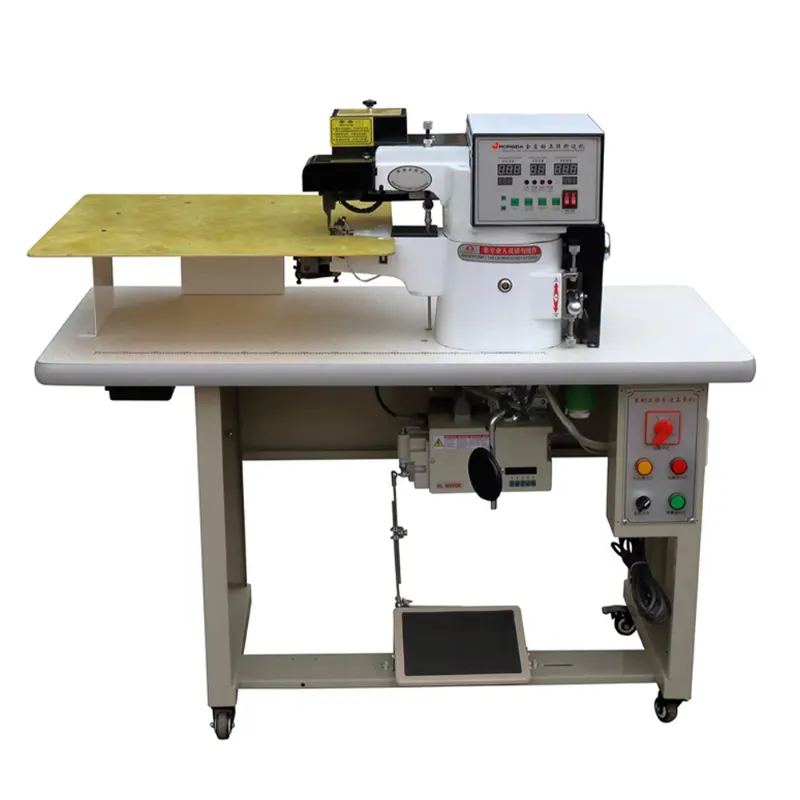
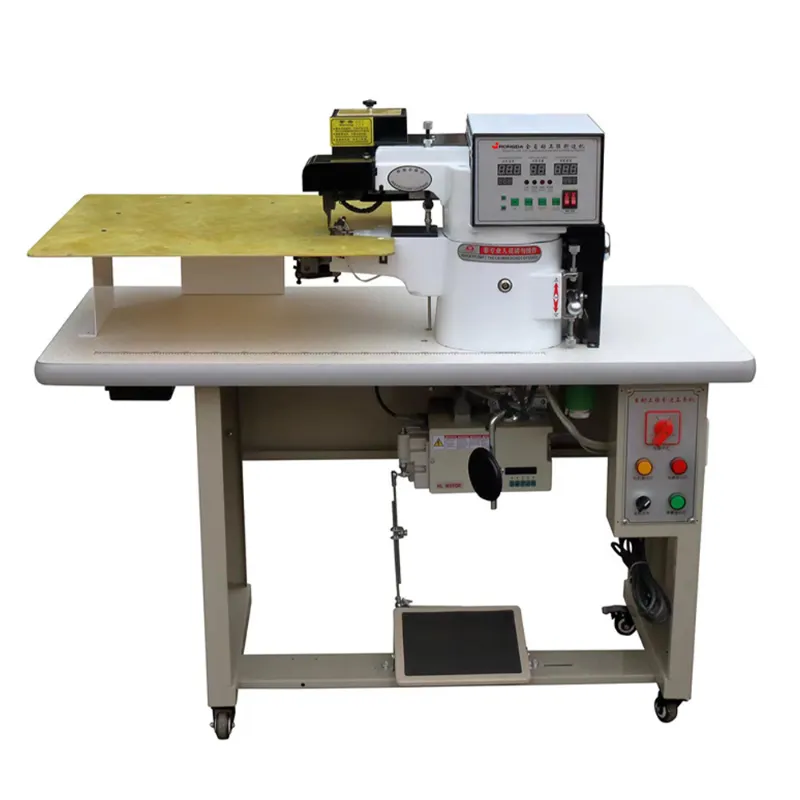
An Edge Gluing and Pressing Machine addresses this challenge directly. It brings controlled adhesive application, precise edge formation, and stable pressing into a single automated process. The result is not just a faster production line, but a fundamentally more reliable way to achieve consistent box quality. This article explains how the technology works, why it improves box making, and how it fits into a complete rigid box production line.
The Problem with Manual Edge Processing
To understand the value of automation, it helps to understand what goes wrong without it. Manual edge folding and gluing depend on operator skill, attention, and physical consistency. Even highly experienced workers cannot apply identical pressure, glue volume, and folding angle across thousands of units in a shift.
Common defects in manual edge processing include:
- Glue overflow — excess adhesive seeps onto visible surfaces, requiring cleaning or causing permanent marks.
- Weak bonding — insufficient adhesive or uneven pressure leaves edges loose, allowing layers to separate over time.
- Wrinkled or lifted edges — inconsistent folding motion creates bubbles and uneven surfaces.
- Dimensional variation — boxes from the same batch may differ slightly in size, causing problems in automated packaging lines or retail display.
- Operator-dependent quality — different shifts produce different results, making quality control difficult.
These issues are not merely aesthetic. For manufacturers supplying international brands or export markets, a single defective batch can lead to returns, penalties, or lost contracts. The cost of manual inconsistency is often far higher than the cost of automation.
Controlled Adhesive Application: The Foundation of Consistent Bonding
Adhesive is the foundation of edge bonding. If glue is applied unevenly, no amount of pressing can compensate. An Edge Gluing and Pressing Machine controls adhesive application through a heated system that maintains a stable working temperature and delivers glue along the edge in a consistent pattern.
Unlike manual gluing, where the operator decides how much adhesive to apply, the machine uses adjustable parameters. These parameters can be set according to the material, the surface finish, and the specific packaging design. Once set, the machine repeats the same application for every unit, removing the element of human variability.
Equipment such as the Rongda CB188 uses hot melt particle adhesive, which is heated to a working temperature and applied along the edge as the material moves through the machine. The result is a uniform glue line that reaches the intended bonding area without contaminating surrounding surfaces. For manufacturers working with different materials, the CB288 model adds a touchscreen interface that allows quick adjustment of glue temperature, output volume, and other parameters, making changeovers faster and more predictable.
The benefit is straightforward: consistent glue application reduces both excess adhesive and insufficient bonding. That means less cleanup, fewer rejected units, and a more stable production process.
Precise Edge Formation: Where Quality Becomes Visible
Once adhesive is applied, the material must be folded and positioned so that the bonding surfaces meet correctly. This is where precision matters most. A fold that is slightly off-angle, a corner that is not fully formed, or an edge that is not pressed flat will all be visible on the finished box.
An automated Edge Gluing and Pressing Machine performs edge folding through controlled mechanical movements. The machine guides the material, applies pressure at the right moment, and ensures that every unit receives the same folding action. This eliminates the small variations that are unavoidable in manual folding.
Hard cover edge folding machines, such as the Rongda AZB450/AZB600, are designed specifically for this stage. They handle book covers and gift box covers, folding the edges of the covering material around the board with a consistency that manual operations cannot match. The machine can process different cover sizes by adjusting the settings, and it operates at a speed that supports continuous production.
The practical outcomes of precise edge formation include:
- Cleaner folded edges — the covering material sits flat against the board without bubbles or wrinkles.
- Better corner appearance — corners are uniform and tight, contributing to a premium look.
- Improved bonding strength — the adhesive is pressed into full contact with both surfaces.
- Reduced material waste — fewer units are rejected due to edge defects.
For manufacturers producing rigid boxes at higher volumes, an automatic rigid box making machine integrates edge folding with wrapping and corner forming in a single pass, further reducing handling and improving consistency.
Stable Pressing: The Often-Overlooked Step
Pressing is sometimes treated as a simple final step, but it plays a critical role in bonding. Adhesive needs sustained contact between the surfaces being joined in order to develop full strength. If the material shifts before the adhesive sets, the bond will be weak, and the edge may open later.
A controlled pressing system applies steady pressure to the folded edge for the required duration. This keeps the layers in position while the adhesive cures. Without controlled pressing, even well-applied glue can fail because the surfaces separate slightly before bonding is complete.
Modern edge gluing and pressing machines use mechanical pressing mechanisms that apply consistent pressure across the entire edge. Some systems also use cooling or pressure sensors to maintain stable conditions. The goal is to ensure that every box receives the same pressing treatment, regardless of operator or production speed.
The benefit extends beyond appearance. Properly pressed edges contribute to the structural integrity of the box. They help the box maintain its shape during handling, shipping, and repeated opening and closing. For export-oriented manufacturers, this reliability is essential.
Equipment Comparison: Functions and Applications
The following table provides a qualitative comparison of Rongda’s edge processing and related equipment. Rather than listing detailed numerical specifications, it focuses on what each machine does and where it is typically used. This helps manufacturers identify the right equipment for their production needs.
| Equipment | Primary Function | Material / Application | Key Advantage | Typical Use |
|---|---|---|---|---|
| CB188 Edge Gluing and Pressing Machine | Applies hot melt adhesive along edges and presses the folded material | Paper board, grey board, leather-like materials | Consistent glue application and folding for small to medium production | Notebooks, shoe uppers, wallets, handbags, midsoles |
| CB288 Edge Gluing and Pressing Machine | Same as CB188 with touchscreen parameter control | High-end notebooks, leather goods, specialty materials | Faster changeovers between materials and designs | Premium notebooks, leather accessories, custom packaging |
| AZB450 / AZB600 Hard Cover Edge Folding Machine | Folds and forms edges of book covers and box covers | Book covers, gift box covers, rigid box wrapping | Precise edge forming for premium visual quality | Hardcover books, luxury gift boxes, presentation cases |
| RB350 Automatic Rigid Box Making Machine | Integrated rigid box production including edge folding, wrapping, and corner forming | Grey board, covering paper, specialty papers | High-volume production with consistent quality | Luxury rigid boxes, gift boxes, cosmetic packaging |
| Automatic Case Maker | Wraps and forms cases for books and boxes | Cover paper, board | Precise paper lamination and corner pressing | Book cases, box covers, hardcover production |
For detailed technical specifications, please refer to the individual product pages or contact Rongda directly.
How Edge Processing Fits into a Complete Production Line
Edge gluing and pressing is one stage in a larger workflow. Its full value is realized when it is integrated with the steps before and after it. A typical rigid box production line includes:
- Board Cutting and Grooving — Grey board is cut to size and grooved to create fold lines. The cardboard grooving machine ensures that folds are accurate and consistent.
- Corner Pasting — Adhesive is applied to the corners of the grooved board, preparing them for forming.
- Edge Gluing and Pressing — The edge gluing and pressing machine applies adhesive along the edges and presses the folded material into place.
- Case Making and Wrapping — The assembled box is wrapped with covering material. An automatic case maker handles paper lamination, edge wrapping, and corner pressing.
- Final Forming — The box is formed into its final shape, with corners folded and pressed.
When these stages work together, the manufacturer gains more than just speed. The entire process becomes more predictable, which makes production planning easier and quality control more effective.
Labor Efficiency and Cost Benefits
Automating edge gluing and pressing also changes the labor equation. Manual edge folding requires skilled workers, and quality depends heavily on their experience and attention. Automated machines reduce this dependency. One machine can perform the work of several manual operators while maintaining a consistent standard throughout the shift.
The cost benefits go beyond labor:
- Less material waste — fewer defective units means less board and covering material discarded.
- Lower glue consumption — precise application avoids the excess that manual gluing often produces.
- More reliable output — consistent quality reduces the need for inspection and rework.
- Faster production cycles — automated folding and pressing are faster than manual operations.
For manufacturers handling export orders, these benefits translate into more predictable delivery and fewer quality complaints. The ability to guarantee consistent edge quality across every unit in an order is a competitive advantage.
Frequently Asked Questions
Q: What materials can an Edge Gluing and Pressing Machine handle?
A: Most models handle paper board, grey board, and composite materials. The CB188 and CB288 are designed for notebooks, leather goods, and specialty materials, while the AZB450/AZB600 series focuses on book covers and gift box covers. Material suitability depends on the specific model and configuration.
Q: How does edge gluing differ from edge banding?
A: Edge gluing applies adhesive along the edge of a folded material to bond layers together. Edge banding attaches a strip of material to the edge for protection or appearance. In rigid box production, edge gluing and pressing is the primary method for securing folded edges.
Q: Can an Edge Gluing and Pressing Machine be integrated into an existing production line?
A: Yes. Most units are designed as standalone stations that can feed into or out of existing rigid box production lines. Their compact design allows them to be placed alongside other equipment.
Q: What support is available for installation and training?
A: Rongda provides installation and training services. For details, visit the contact page or the our service section.
Conclusion
Edge gluing and pressing technology is transforming rigid box manufacturing by replacing manual variability with controlled, repeatable processes. Consistent adhesive application ensures that bonding is reliable. Precise edge formation ensures that the finished box looks clean and professional. Stable pressing ensures that the bond develops full strength and the box maintains its shape.
For manufacturers seeking to upgrade their post-press capabilities, Wenzhou Rongda Packaging Equipment Co., Ltd. provides Edge Gluing and Pressing Machine systems, Hard Cover Edge Folding Machines, and complete rigid box production line configurations. The company’s CB188 and CB288 models serve manufacturers producing notebooks, leather goods, and specialty packaging, while the AZB450/AZB600 series addresses the edge forming requirements of book covers and gift box covers.
Rongda focuses on providing one-stop services for post-print packaging equipment, covering rigid box making, case making, edge processing, and related finishing operations. For manufacturers considering an upgrade, equipment demonstrations and production sample testing are available through the company’s contact page.
Related News
- How Does an Edge Gluing and Pressing Machine Improve Box Making?
- Can an Integrated Case Making Machine Improve Cover Production Efficiency?
- Why Is Precise Edge Folding Essential for Premium Rigid Box Production?
- How Is a Book-Shaped Rigid Box Made? A Complete Guide to the Manufacturing Process and Automation
- Is Rigid Box Making Machine Transforming Modern Packaging Production?
- How Is a Collapsible Box Made? A Complete Production Workflow
Leave me a message