English
- English
- Español
- Português
- русский
- Français
- 日本語
- Deutsch
- tiếng Việt
- Italiano
- Nederlands
- ภาษาไทย
- Polski
- 한국어
- Svenska
- magyar
- Malay
- বাংলা ভাষার
- Dansk
- Suomi
- हिन्दी
- Pilipino
- Türkçe
- Gaeilge
- العربية
- Indonesia
- Norsk
- تمل
- český
- ελληνικά
- український
- Javanese
- فارسی
- தமிழ்
- తెలుగు
- नेपाली
- Burmese
- български
- ລາວ
- Latine
- Қазақша
- Euskal
- Azərbaycan
- Slovenský jazyk
- Македонски
- Lietuvos
- Eesti Keel
- Română
- Slovenski
- मराठी
- Srpski језик

Professional Laminating Machine Factory Direct
Laminating machines are another type of machinery that Rongda Packaging can provide. Choose us as your manufacturer and supplier to find the packaging machinery that suits your production needs and create a complete solution. This series of equipment can precisely laminate film or facing paper with paper or cardboard, enhancing the texture, protective performance, and overall quality of the packaging surface.
How Does a Laminating Machine Work?
The working process of a laminating machine is directly related to the conveying system, laminating system, and control system. Through precise control, it stably and accurately bonds film or facing paper to paper or cardboard. In this series, we mainly offer two types: Film Laminating Machines and Cardboard Laminating Machines. While there are differences between the two, the core working process is highly consistent.
1. Automatic Feeding and Positioning
The equipment first feeds the facing paper, cardboard, or film into the working area through an automatic feeding system. Sensors and positioning devices ensure that the material enters smoothly and maintains continuous and stable feeding.
2. Lamination Preparation
Film Laminating Machine: The film surface is brought to a laminable state through a heating or adhesive application system.
Cardboard Laminating Machine: Adhesive is evenly applied to the surface of the paper or cardboard, ensuring consistent adhesive thickness with no clumping or gaps.
This step is crucial and directly determines the bonding strength and the flatness of the finished product.
3. Alignment and Pressing
After the materials enter the laminating area, precise alignment is achieved through a synchronous conveying and correction system. Then, high-precision pressure rollers or pressing mechanisms provide stable pressure to firmly bond the film or facing paper to the substrate and remove air bubbles.
4. Cooling, Shaping, and Output
After lamination is complete, the material passes through a cooling and shaping system, allowing the adhesive layer or film to stabilize. It is then automatically output for subsequent processes.

What Types of Products Can a Laminating Machine Process?
1. High-End Commercial Packaging
This is a very intensive application area for laminating machines. Lamination can enhance brand value and packaging durability.
Rigid boxes and gift boxes: Mobile phone boxes, jewelry boxes, high-end wine boxes, cosmetics and perfume boxes.
Luxury shopping bags: Paper shopping bags for high-end retail brands; lamination improves tear resistance and weight-bearing capacity at the handles.
Folding cartons: Pharmaceutical packaging boxes, health product boxes, and high-end electronic product packaging.
2. Publications and Printed Materials
Used to protect printed images and text from wear and tear, and can also enhance the tactile feel.
Book and magazine covers: Hardcover book covers, textbooks, magazine covers.
Promotional materials: High-end brochures, leaflets, company profiles, product manuals, posters.
Business cards and cards: Business cards, postcards, greeting cards.
Restaurant menus: Utilizing the waterproof and oil-resistant properties of lamination to extend the lifespan of menus under frequent use.
3. Labels and Office Supplies
Self-adhesive labels: Wine labels, daily chemical product labels; lamination prevents ink from smudging due to moisture or being corroded by chemicals.
Office stationery: Folders, notebook covers, calendars, maps.
Identification documents: Work permits, student IDs, various card laminations.
4. Industrial and Special Applications
Industrial-grade laminating machines can handle more complex materials.
Flexible packaging: Food bags, aluminum foil composite packaging.
Building and industrial materials: Floor laminates, insulation board lamination, surface covering films for automotive interior parts.
Electronic/medical protection: Medical equipment packaging, anti-static protective packaging for precision electronic components.
FAQ
Q: What special film materials does the machine support? For example, soft-touch film or anti-scratch film?
A: Rongda's high-end laminating machines feature precise pressure and temperature control systems, perfectly compatible with:
Soft Touch Film: Gives packaging a velvety texture.
Anti-scratch Film: Prevents scratches on dark printed materials during transportation.
Holographic Film: Adds anti-counterfeiting features and visual appeal.
Our machines can reliably process all mainstream BOPP, PET, and special functional films available on the market.

Q: Will the lamination peel off after die-cutting or hot stamping?
A: This depends on the pressure and adhesive penetration during the lamination process. Our machines are equipped with large-diameter steel rollers and a high-pressure hydraulic system, which generate strong bonding pressure.
As long as the appropriate temperature is set, the film and paper will form a secure bond, and subsequent high-intensity die-cutting, folding, or hot stamping processes will not cause peeling or delamination.

- View as

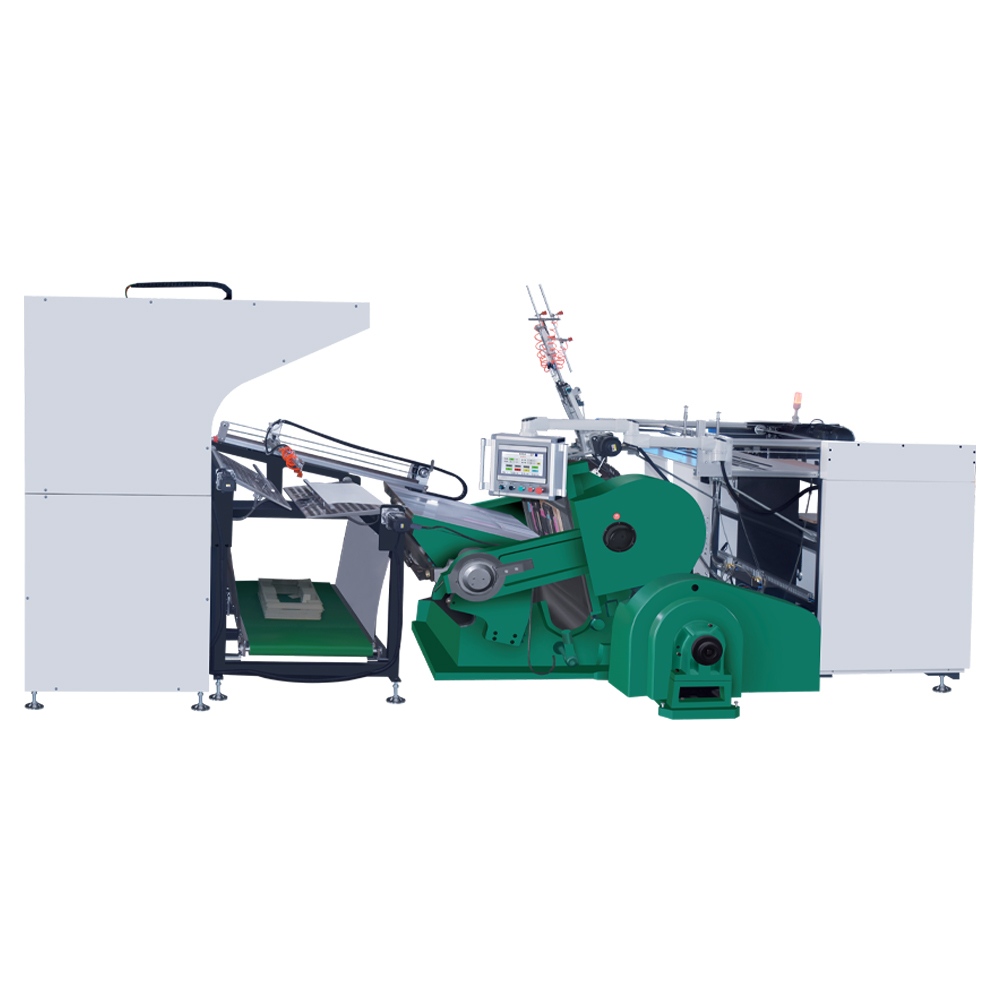
Automatic Thermal Film Laminator
YZFM850 Series Automatic Thermal Film Laminator, is controlled by Delta PLC, and is an advanced product made by Rongda factory in China. One person operates easily. This Highly automated equipment can shorten the time of procedure and enhance efficiency. The diameter of main lamination steel roller (Super mirror surface) is 380mm. This steel roller is heated by heat transfer oil (by a Mold Temperature Controller machine).
Optional heating method: electromagnetic induction Auxiliary heating.
Optional heating method: electromagnetic induction Auxiliary heating.

Automatic Roller Coat Varnish Coater
Rongda can offer you high quality packaging equipment as we are a professional supplier, our RD-KPZ1000/RD-KPZ1300 Automatic Roller Coat Varnish Coater is a device that can protect and increase the gloss of the printed product after drying the layer of colorless and transparent coating UV oil to the surface of the printed material. If you want to know more about this machine, please contact us.

Automatic Film Laminator
If you are looking for a reliable supplier of packaging equipment, Rongda is a good choice. Our RD-ZFM1080 Automatic Film Laminator can not only be used for water-base glue, but also can be used for thermal film, and is a special equipment for paper and film. The laminating machine includes gluing, drying, pressing and slitting. It has wide application range and stable and reliable processing performance. It is widely used in printing and packaging industry. Flexible and convenient operation, not only suitable for large quantities of laminating processing, but also for small quantities, scattered laminating processing, very promising.

Automatic Film Laminator with Powder Remover
Rongda is a supplier of RD-ZFM1080/RD-ZFM1300 Automatic Film Laminator with Powder Remover, it can not only be used for water-base glue, but also can be used for thermal film. The laminating machine includes gluing, drying, pressing and slitting, and equips with a powder removing device, which helps clean up the dust on the surface of the paper, improve the overall quality of the finished product.

Automatic Hot Knife Film Laminating Machine
To get laminating machines, you can choose Rongda as your manufacturer and send us your customized needs. RD-HFM1080/RD-HFM1300 Automatic Hot Knife Film Laminating Machine is a dual-purpose laminating machine, for both water-based glue and thermal film. Please feel free to contact us if you need more details about the machine.

Automatic Hot Knife Film Laminator
The RD-RFM1080/RD-RFM1300 Automatic Hot Knife Film Laminator is a professional industrial equipment for material surface laminating of printed products, document and so on. It applies the plastic film to the paper surface with the heating laminating process, which helps to the film adhere firmly to the surface of the material. Contact Rongda and get our factory direct prices.
As a reliable Laminating Machine manufacturer and supplier in China, we have our factory. If you want to buy quality and durable products, please contact us.