English
- English
- Español
- Português
- русский
- Français
- 日本語
- Deutsch
- tiếng Việt
- Italiano
- Nederlands
- ภาษาไทย
- Polski
- 한국어
- Svenska
- magyar
- Malay
- বাংলা ভাষার
- Dansk
- Suomi
- हिन्दी
- Pilipino
- Türkçe
- Gaeilge
- العربية
- Indonesia
- Norsk
- تمل
- český
- ελληνικά
- український
- Javanese
- فارسی
- தமிழ்
- తెలుగు
- नेपाली
- Burmese
- български
- ລາວ
- Latine
- Қазақша
- Euskal
- Azərbaycan
- Slovenský jazyk
- Македонски
- Lietuvos
- Eesti Keel
- Română
- Slovenski
- मराठी
- Srpski језик

How Can a Case Making Machine Perfect Your Cover Production?
In the fast-evolving world of packaging and bookbinding, producing high-quality covers consistently remains a core challenge for manufacturers. Whether for rigid boxes, diaries, photo albums, or luxury packaging, the cover defines the product’s first impression. Today, more production lines are turning to a specialized solution: the automatic case making machine. This article explores how this technology transforms cover production, from material preparation to final assembly, and why it has become indispensable for modern factories.
Understanding the Cover Production Process
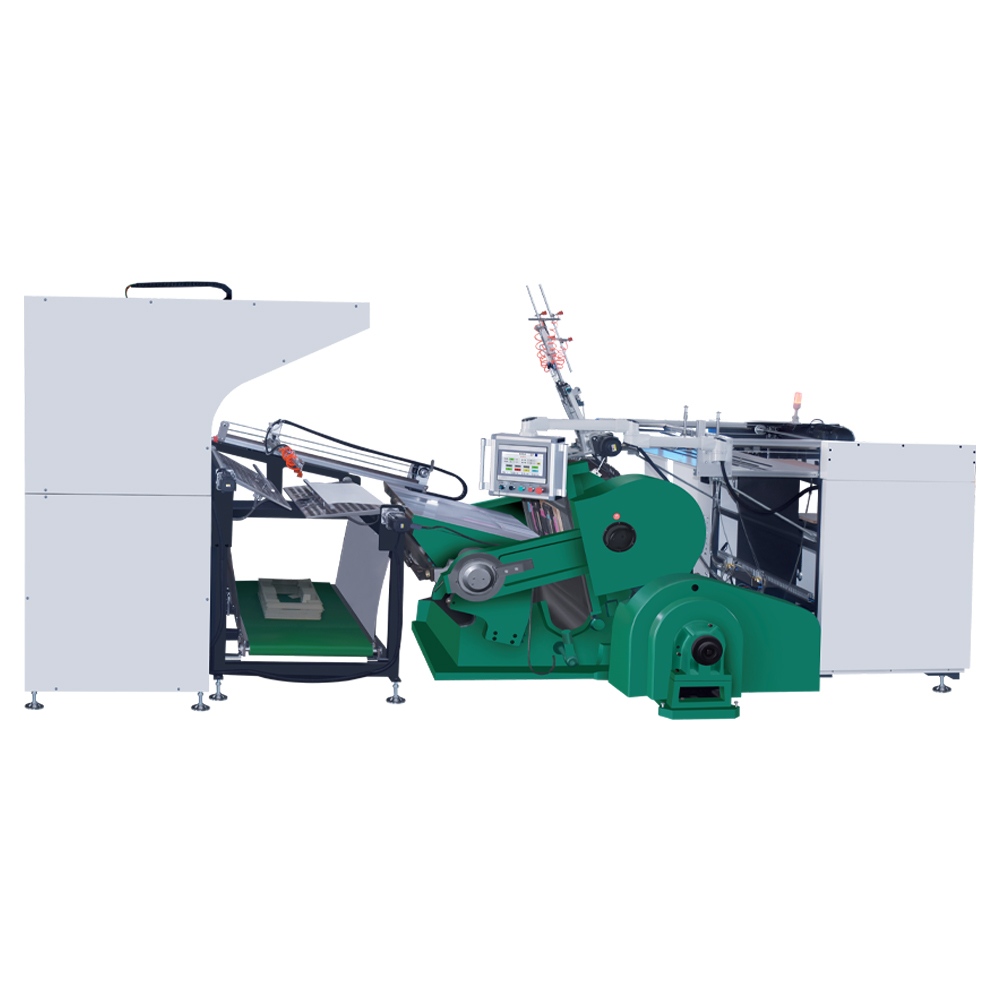
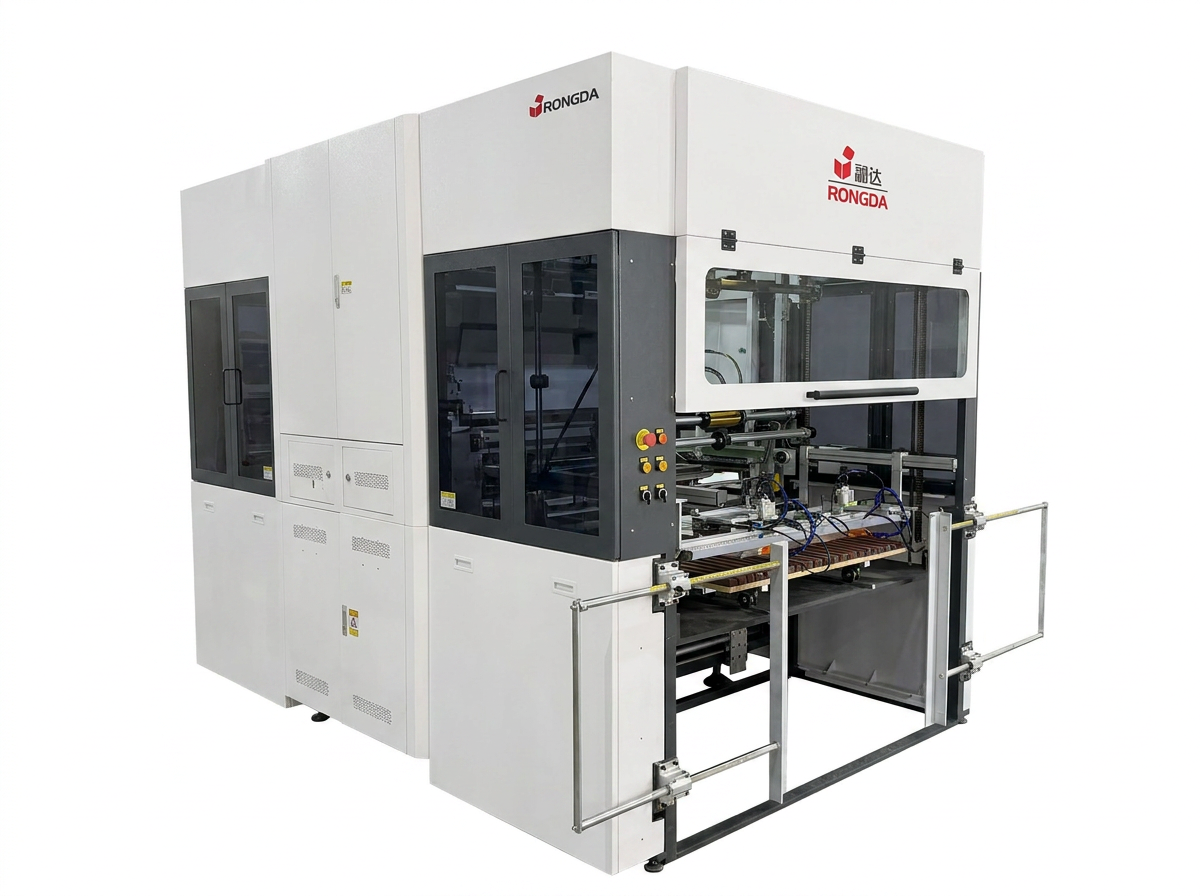
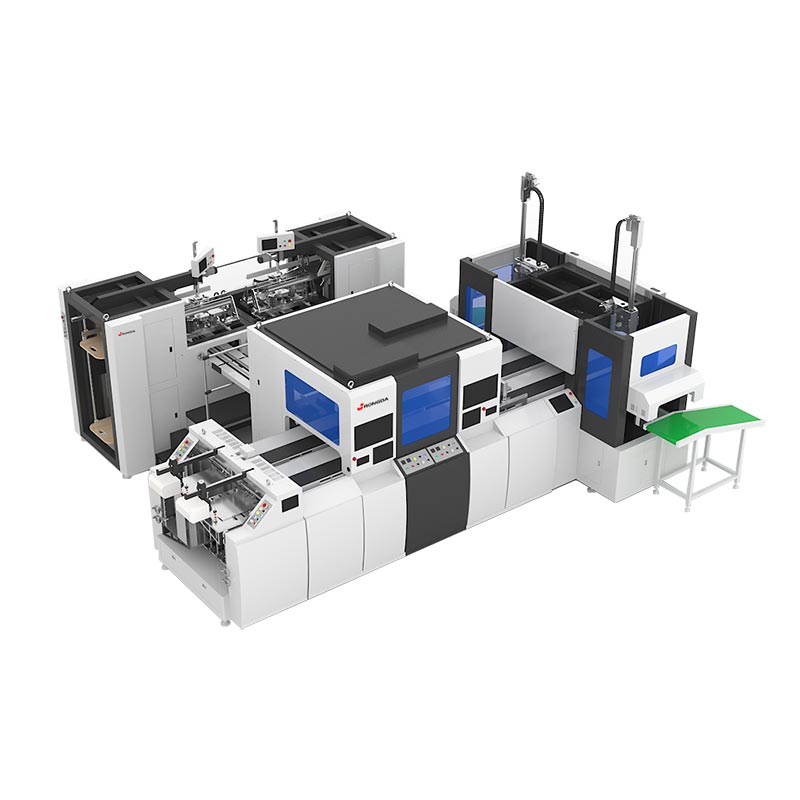
Producing a professional cover—such as a hardbound book cover or a rigid gift box lid—involves several critical steps. Traditionally, workers had to apply glue onto paper, cloth, or leather either manually or with a semi-automatic machine, position the cardboard, and fold the edges around the board. This manual process was slow, inconsistent, and labor-intensive. The automated case making machine emerged as a solution, integrating gluing, board placement, edge folding, and pressing into a single workflow. A modern case making machine can produce hundreds of uniform covers per hour, minimizing waste while ensuring perfect corners and a wrinkle-free surface on every cover.


Why Manufacturers Are Upgrading
The shift toward automated cover production is driven by clear business benefits. First, consistency: a case making machine eliminates human error, so every cover meets exact size and alignment tolerances. Second, speed: while a skilled worker may produce 150–200 covers per shift, an automated case making machine can output 800–1200 covers in the same time, depending on model and complexity. Third, material savings: precise glue control reduces adhesive consumption by up to 30%, and edge folding accuracy minimizes rejected covers.
Moreover, modern case making machines support quick changeovers, allowing a single line to produce different cover sizes and materials within minutes. This flexibility is crucial for short-run, high-mix production – a growing demand in the era of personalized packaging.
Thinking about adding or upgrading your case making machine?
Before you decide, take a moment to evaluate a few key dimensions:
▶ Cover sizes — What specs do you run most frequently?
▶ Material compatibility — From thin paper to heavy fabric, what does your line need to handle?
▶ Throughput goals — What's your target daily output?
Also, pay close attention to two details that are often overlooked yet critically important:
•Adhesive system — Hot-melt or water-based? This directly impacts finish quality and downstream efficiency.
•Spec-change flexibility — How quickly can you switch formats? That determines whether your line is truly agile.
What really sets a machine apart — Models with self-diagnostics and remote support capabilities can respond the moment an issue arises, minimizing unplanned downtime and keeping your line running at peak performance.
♦ Have questions? Reach out anytime. We'll craft a tailored solution for your operation.
Related News
- Can an Integrated Case Making Machine Improve Cover Production Efficiency?
- Why Is Precise Edge Folding Essential for Premium Rigid Box Production?
- How Is a Book-Shaped Rigid Box Made? A Complete Guide to the Manufacturing Process and Automation
- Is Rigid Box Making Machine Transforming Modern Packaging Production?
- How Is a Collapsible Box Made? A Complete Production Workflow
- What Safety Standards Must Children’s Books and Gift Boxes Meet?
Leave me a message