English
- English
- Español
- Português
- русский
- Français
- 日本語
- Deutsch
- tiếng Việt
- Italiano
- Nederlands
- ภาษาไทย
- Polski
- 한국어
- Svenska
- magyar
- Malay
- বাংলা ভাষার
- Dansk
- Suomi
- हिन्दी
- Pilipino
- Türkçe
- Gaeilge
- العربية
- Indonesia
- Norsk
- تمل
- český
- ελληνικά
- український
- Javanese
- فارسی
- தமிழ்
- తెలుగు
- नेपाली
- Burmese
- български
- ລາວ
- Latine
- Қазақша
- Euskal
- Azərbaycan
- Slovenský jazyk
- Македонски
- Lietuvos
- Eesti Keel
- Română
- Slovenski
- मराठी
- Srpski језик

Can Rongda’s ZH400 Help Simplify Multi-Box Production?
Packaging orders are becoming more varied. Instead of producing one box style in large volumes, many packaging companies now need to handle different sizes and formats, sometimes in relatively small batches.
This can make box folding difficult to manage. Manual folding is still common in some factories, especially when orders change frequently. But relying on manual work also means dealing with labor availability, training, and differences in folding quality.
Rongda’s ZH400 fully intelligent box folding machine is designed for this type of production environment. Rather than focusing on just one box format, the machine is designed to handle several common box types, giving manufacturers more flexibility when production requirements change.
What Is the ZH400?
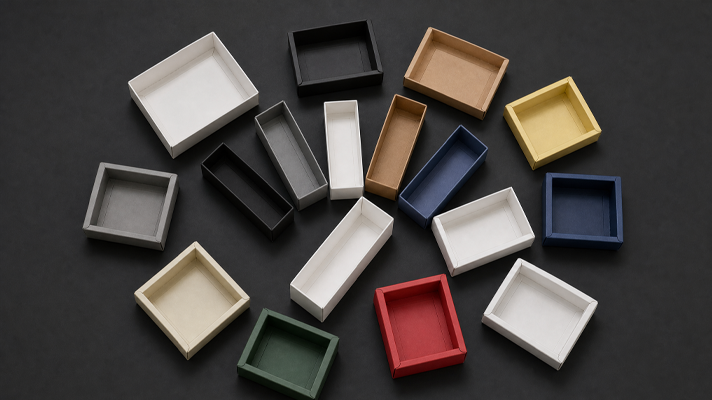
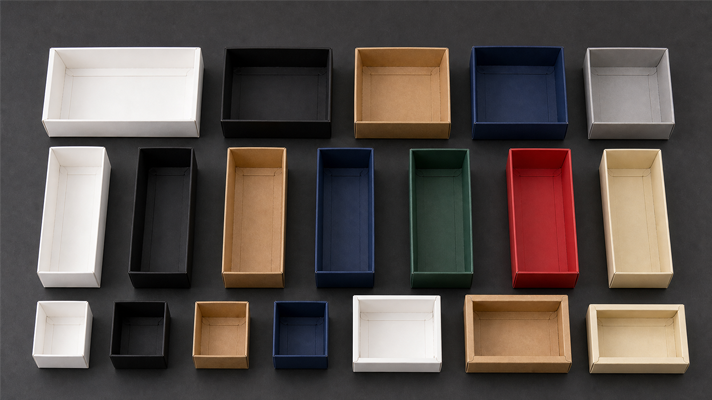
The ZH400 is a fully intelligent box folding machine designed for multi-format production. Depending on the box structure and production requirements, it can be used for wide-edge boxes, lid-and-base boxes, narrow-edge boxes, and asymmetric wide-narrow boxes.
This approach can be useful for manufacturers that receive different box orders instead of running the same specification throughout the day. One machine can be used for different box types, with the corresponding mold and parameters adjusted for each application.
For these manufacturers, the main advantage is flexibility. Instead of assigning a separate machine to every box style, the ZH400 can be used across different orders. This may also help reduce the amount of equipment and floor space needed for a production area.
The actual range of box sizes and structures should, of course, be checked with Rongda based on the customer’s samples and production requirements.
How Does the Folding Process Work?
The ZH400 is designed to automate the main steps involved in box folding. Flat cardboard is fed into the machine and transferred to the folding section, where the relevant parts of the box are folded along the existing crease lines. Depending on the box structure, the bottom is then locked or glued before the box is pressed and formed.
Servo control is used to manage the folding movements and improve positioning consistency.
For different box formats, operators can select the corresponding parameters from the control system. This reduces the need to repeatedly adjust every setting manually when changing production.
That does not mean every box can be switched over instantly. Mold changes or other adjustments may still be required depending on the box structure. For this reason, changeover time should be evaluated using the customer’s actual box samples rather than based only on general machine specifications.
Why Is Multi-Box Capability Useful?
For a factory producing several types of boxes, machine utilization can become an issue.
A dedicated machine may work very efficiently when producing one high-volume box, but it may not be the most practical choice when orders are smaller and specifications change regularly. In these situations, flexibility can be just as important as maximum production speed.
The ZH400 is intended for this kind of application.
For carton and packaging manufacturers, it can be used for different orders without requiring a separate folding machine for every box format. For e-commerce-related packaging, it may also be useful when shipping box requirements vary between products or customers.
Whether the machine is a good fit depends on the actual box structure, size range, order volume, and required output. These factors should be considered together before selecting the equipment.
See the ZH400 at All in Print China 2026
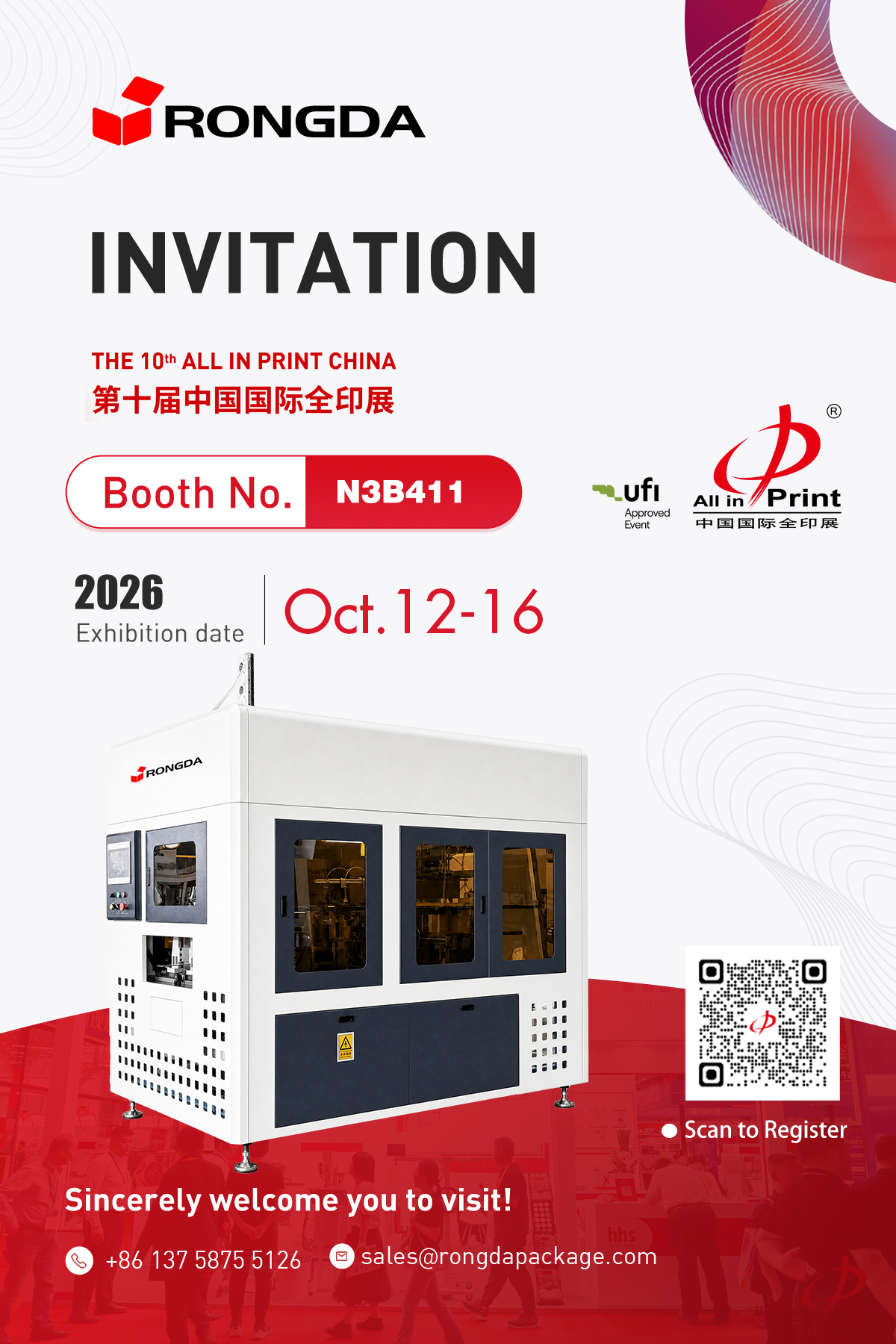
If you would like to see the ZH400 in operation, Rongda will bring the machine to All in Print China 2026 in Shanghai from October 12 to 16.
Visitors will have the opportunity to see the ZH400 box folding machine in person, learn more about its folding capabilities, and discuss their own box samples and production requirements with our team.
All in Print China 2026
Date: October 12–16, 2026
Booth: N3B411
Venue: Shanghai New International Expo Centre (SNIEC), Shanghai, China
If you are planning to attend the exhibition, we warmly welcome you to visit Rongda at Booth N3B411 and see the ZH400 for yourself.
It is also a good opportunity to discuss your box types, production requirements, and possible applications with our team.
What Should Buyers Check Before Choosing a Box Folding Machine?
There are several practical points worth checking when comparing different machines.
Box type and size
Start with the boxes currently being produced. Check whether the machine can handle the required structures and dimensions, rather than choosing a machine based only on its maximum size or advertised speed.
Changeover
If production involves several box types, changeover is particularly important. Buyers should understand which adjustments are needed, whether molds need to be changed, and how long the process takes for their specific boxes.
Actual production speed
The rated maximum speed is only one part of the picture. Material, box structure, operator experience, and machine settings can all affect actual output. Testing the customer’s own samples is a more useful way to evaluate production performance.
Operating and maintenance requirements
Labor requirements do not end when a machine is installed. Operators still need to understand feeding, parameter settings, cleaning, and routine maintenance. A machine that is straightforward to operate can make daily production easier, particularly when several operators share the same equipment.
Can Automation Reduce Manual Folding Work?
One of the main reasons companies consider a box folding machine is to reduce the amount of manual work involved in production.
Manual folding can be suitable for certain orders, but it becomes more difficult to manage when volumes increase or when labor availability is limited. A machine such as the ZH400 can take over the repetitive folding process, allowing operators to focus more on machine operation and production management.
The potential labor savings will vary from factory to factory. They depend on the current number of workers, working hours, box types, production volume, and how much of the process is already automated.
The same applies to return on investment. Rather than assuming a fixed payback period, manufacturers should compare the machine investment with their own labor costs, expected utilization, maintenance expenses, and production requirements.
A Practical Way to Evaluate the ZH400
Before purchasing a box folding machine, Rongda recommends looking at actual production data.
A good starting point is to review the box orders from the previous few months. Record the different box types, dimensions, quantities, and approximate labor required for folding. This gives a clearer picture of where the main bottlenecks are.
The next step is sample testing.
Customers can provide several representative boxes for testing. The machine can then be evaluated based on the actual materials and box structures that will be used in production. This allows both sides to look at folding quality, changeover requirements, operating procedures, and production speed under realistic conditions.
This type of testing is particularly useful for companies with a wide range of box specifications, since performance can vary depending on the box design.
Conclusion
For manufacturers handling several box types, finding the right balance between flexibility and production efficiency is often more important than simply choosing the fastest machine.
Rongda’s ZH400 is designed with this type of production in mind. Its multi-box capability, servo-controlled folding system, and parameter-based operation are intended to make it easier to switch between different box formats while reducing dependence on repetitive manual folding work.
Rongda will showcase the ZH400 at All in Print China 2026 in Shanghai from October 12 to 16. If you are attending the exhibition, visit us at Booth N3B411 to see the machine in person and talk with our team about your box folding requirements.
For more information about the ZH400, including its applicable box types, specifications, and operation videos, you are also welcome to contact Rongda before the exhibition.
Next :
-
Related News
- After PLASTPERU & PACKPERU 2026: A Closer Look at Our Time in Peru
- After PLASTPERU & PACKPERU 2026: A Few Days to Explore Peru
- Meeting Customers Before the Show: Rongda at PLASTPERU & PACKPERU 2026
- How Are Local Visits Strengthening Post-Press Packaging Partnerships?
- Is Your Packaging Ready for a Premium Finish? Discover Rongda’s Post-Press Solutions at PLASTPERU 2026
- Why Does Every Machine Shipment Mark a New Beginning for Rongda?
Leave me a message